

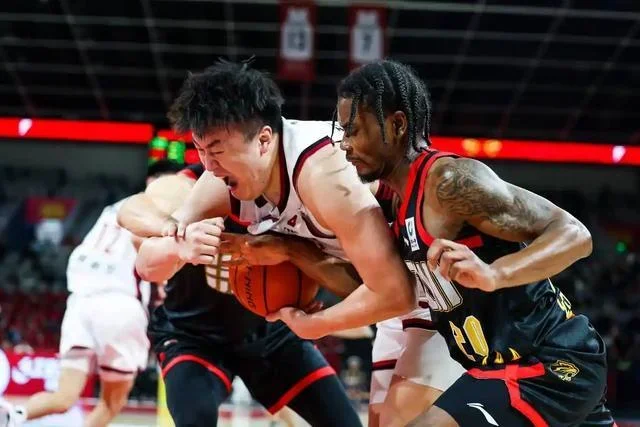
In the CBA playoffs, the quarterfinal series between Shenzhen and Zhejiang, along with the clash between Guangsha and Shanxi, delivered a clear message: team systems and deep rotations are outperforming individual brilliance in high-stakes games.
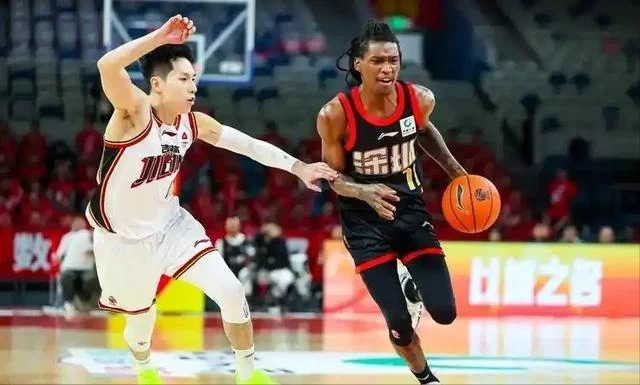
Shenzhen faced Zhejiang in a best-of-five series, with regular-season standings granting Shenzhen home-court advantage. After winning Game 1 at home, they traveled to Zhejiang for Game 2. Despite expectations that Zhejiang would bounce back with home support, Shenzhen’s defensive scheme—high ball pressure and switching—smothered Zhejiang’s outside shooters from the start. Zhejiang missed three consecutive open three-pointers in the opening minutes, while Shenzhen capitalized on fast breaks. In the first half, only Li Yuezhou’s bench scoring kept Zhejiang afloat. Wang Haoran was a steady force inside for Shenzhen, drawing fouls and converting on every touch. 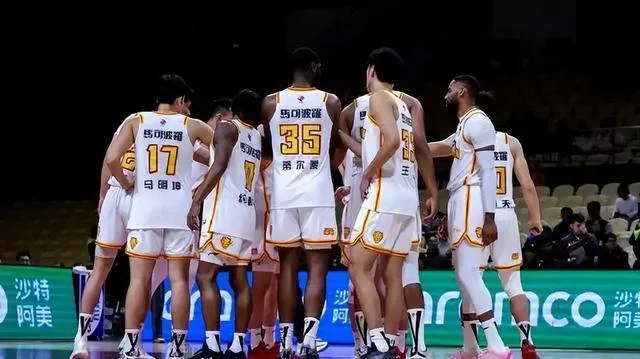 In the fourth quarter, He Xining took over, hitting two consecutive step-back three-pointers to halt Zhejiang’s rally. Shenzhen closed out a 95-91 road win, advancing to the semifinals.
Meanwhile, defending champions Guangsha faced a tough series against Shanxi. After losing Game 1 on the road, they adjusted their tactics in Game 2. Guangsha anchored Hu Jinqiu as the focal point in the paint, while Zhao Jiaren cut repeatedly from the weak side to disrupt Shanxi’s defense. Both teams struggled from beyond the arc in the second half, relying on interior scoring and free throws. Guangsha dominated the boards, outrebounding Shanxi by eight, and limited Shanxi to 12 turnovers. They secured an 86-81 road victory, leveling the series and forcing a decisive Game 3.
These games highlight a key theme: in short playoff series, tactical consistency and depth outweigh any single star performance. Shenzhen’s victory was built not on one player but on a deep rotation that kept starters fresh and maintained defensive intensity. Their bench contributed 22 points, proving pivotal. Zhejiang’s weakness was exposed when their outside shooting failed to sustain momentum, and Li Yuezhou’s sparks were insufficient to change the game’s flow.
Guangsha’s resilience showcased the championship mettle of a well-drilled team. Hu Jinqiu’s 17 points and 11 rebounds anchored the offense, drawing Shanxi’s defense inward. When outside shots failed, Guangsha controlled rebounds and limited turnovers to stay in the game. This aligns with the CBA’s playoff mantra—details decide outcomes. For example, Guangsha’s eight-rebound advantage was a decisive margin.
The games also underscore the value of discipline. Both coaching staffs handled officiating calmly, avoiding technical fouls that could disrupt their rhythm. This professionalism reflects what the league expects at this level.
Looking ahead, these playoffs signal a shifting landscape. Southern teams like Shenzhen and Shanghai have already secured semifinal spots, while traditional powerhouses such as Guangdong and Liaoning are struggling. The era of relying solely on superstars is fading; teams with complete systems, deep rotations, and sharp execution are the ones advancing.
Player development is also on display. Many current players are future coaching candidates. Guangsha head coach Wang Bo, a former player, transitioned through youth coaching before leading the team. Similarly, He Xining and Hu Jinqiu possess high basketball IQs and are likely to follow that path after retirement, passing on their experience.
As the playoffs continue, fans should focus not on individual calls or heroics but on the league’s evolving dynamics—from regular-season rankings to playoff adjustments and player career transitions. The next games promise more intrigue, whether it’s Shanxi rediscovering their outside touch, Guangsha continuing their interior dominance, or Shenzhen’s bench proving its value in the semifinals.
